
Oslo Public Transport Updates 2026: A Full Guide
Explore the latest Oslo public transport updates 2026. Get expert info on new metro lines, ticket prices, and electric ferries to plan your perfect trip.
On this page
New Oslo Public Transport Updates 2026: Your City Guide
Oslo is currently transforming its transit system to be faster and greener. This guide covers all the essential Oslo public transport updates 2026 for visitors. You will find details on new lines, pricing, and modern digital payment methods. These changes make exploring the Norwegian capital easier and more efficient than ever before.
Metro Expansion and the Fornebu Line Progress
To plan your trip, review Oslo travel info.
For practical details and last-minute changes, use Oslo travel info.
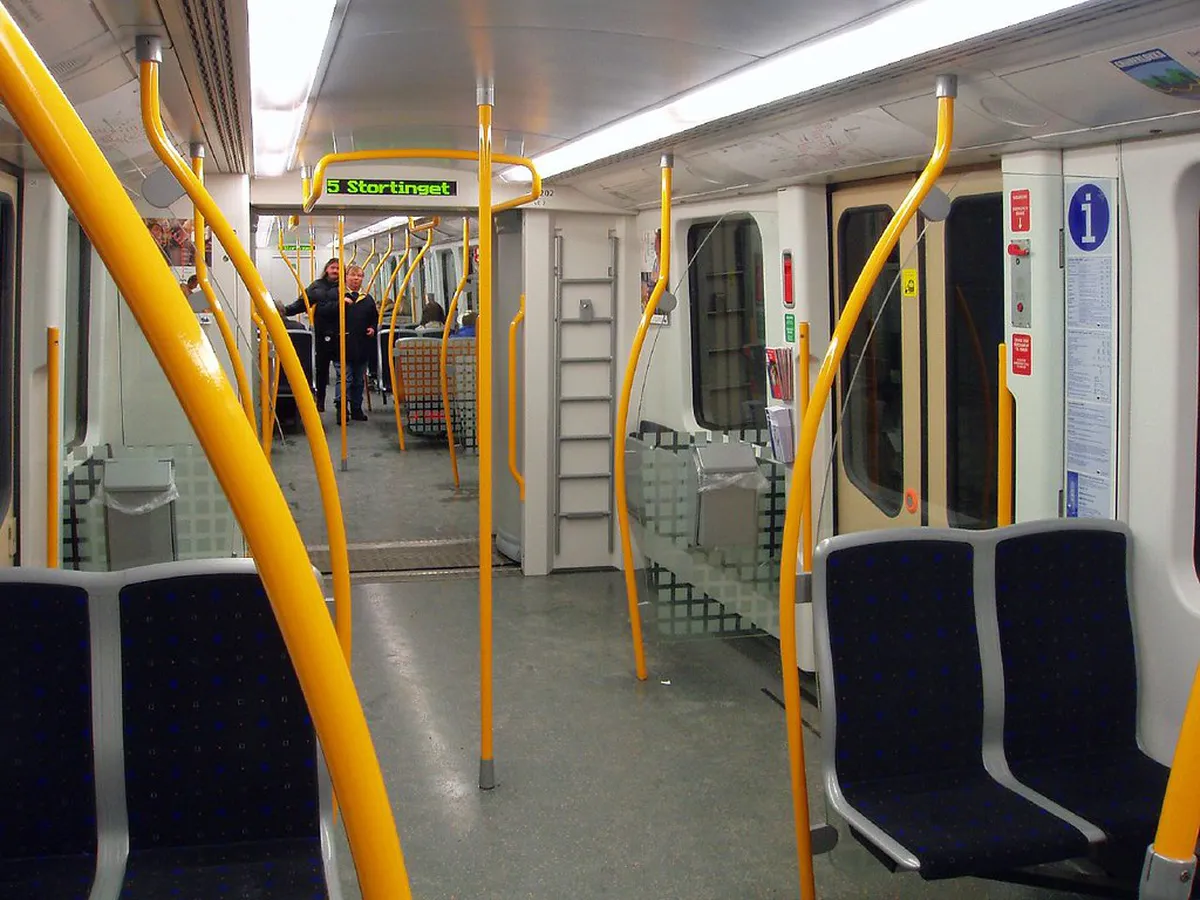
The Fornebu Line remains the biggest transit project in Oslo this decade. This new metro extension links Majorstuen directly to the Fornebu peninsula. Construction teams finished several deep tunnel sections in early 2026. Residents now see new station entrances appearing above ground across the western districts.Commuters will enjoy six modern stations along this vital new route. Total travel time from the city center will take twelve minutes. New electric trains will run every five minutes during peak hours. This project handles the growing population in the western suburban areas effectively.
The project uses advanced technology to reduce noise for local residents. Underground platforms feature wide spaces and bright LED lighting for safety. You can easily find these new stations using the official Ruter app service. These upgrades make staying in Oslo in 2026 much easier for tourists.
Work on the Skøyen and Lysaker hubs is also nearing completion. These stations connect metro lines with regional trains for better travel. Frequent updates about platform changes are posted on digital screens. Many tourists will find these connections helpful for visiting northern parks or museums.
Digital Ticketing and Pricing Changes for 2026
Ruter introduced several new digital payment options in early 2026. Passengers can now tap credit cards directly on all metro gates. This removes the secondary need for physical plastic travel cards. The system automatically calculates the lowest fare for your daily journeys.
A single zone ticket in 2026 now costs approximately 42 NOK. Travelers should download the Ruter app to access discounted group tickets. You can also view Visit Oslo for more advice on tourist passes. Monthly passes offer the best value for stays longer than five days.
Zone 1 covers almost all major tourist attractions and city hotels. If you travel to the airport, you will need a Zone 4 ticket. Ticket inspectors perform regular checks on buses, trams, and metro lines. Always ensure your mobile ticket is active before boarding any vehicle.
Discounted fares are available for children, students, and senior citizens. You must carry valid identification to prove your eligibility for these rates. Many stations now feature improved help points for those without smartphones. Digital kiosks offer support in several languages for international visitors in 2026.
Green Transit: Fully Electric Ferries and Buses
⭐ Recommendation: Don't miss out on amazing Oslo tours - book now!
Oslo reached its goal of zero emissions for all city transit. All inner-city buses now run on clean electric battery power. You will notice much lower noise levels on the busy streets. This change supports the Oslo sustainable travel guide 2026 vision for the future.
New electric ferries now connect light rail passengers to the islands. These quiet boats offer a peaceful way to travel across the fjord. They depart from the main pier near the City Hall every fifteen minutes. You can use your standard bus ticket for these beautiful boat rides.
The ferry terminals have been upgraded with larger waiting areas and cafes. Charging hubs are now a standard feature on most major ferry routes. These upgrades ensure that the boats run on time without any delays. Travelers enjoy great views of the city skyline from the open decks.
The fleet renewal project also includes new electric maintenance vehicles. Oslo remains a global leader in green urban mobility solutions today. Reduced pollution makes the city center much more pleasant for walking tours. Most bus routes in the city core now have priority lanes.
Navigating Oslo Transit Zones and New Routes
Oslo uses a simple zone system to determine ticket prices. Most visitors only ever need a ticket for Zone 1. This area includes the city center and many popular residential suburbs. Understanding the zone map helps you avoid paying for unnecessary upgrades.
Tram line 12 is a favorite for tourists exploring the harbor. It connects the central station to several new Oslo attractions 2026 near the water. The trams run until midnight every day of the week. Look for the blue tram signs at every major street corner.
You can explore the Oslo waterfront development 2026 using the transit network. New stops have been added near the modern Munch Museum building. These stops feature heated seating for comfort during the cold winter. The transit system is fully accessible for passengers with mobility issues.
Night buses operate on a slightly different schedule after midnight. These routes are usually numbered with an N before the digit. They provide a safe way to reach your hotel after dinner. Check the digital displays for the exact arrival times of night services.
Airport Transfer Upgrades and Central Station
💡 Pro Tip: Book your Oslo adventures in advance through Viator for the best deals!
The Flytoget Airport Express remains the fastest way to enter Oslo. These high-speed trains depart from the airport every ten minutes. New software updates in 2026 have improved the overall travel speed. Passengers can reach the city center in exactly nineteen minutes now.
Standard Vy trains offer a cheaper alternative for budget-conscious travelers. These trains run twice every hour from the same airport platforms. Both options provide free Wi-Fi and power outlets at every seat. Check Avinor for the latest flight and train connection schedules.
Oslo Central Station underwent significant renovations recently to improve flow. New digital signage makes it very easy to find your platform. You can find luggage lockers and tourism offices on the main level. This hub connects you to new Oslo hotels in just minutes.
Elevators and escalators are now more reliable thanks to modern upgrades. The station area also has brand new dining and shopping options. You can buy snacks or coffee before starting your long-distance journey. Security staff are always available to help visitors with directions.
Cycling Infrastructure and Shared Mobility
Oslo significantly expanded its network of dedicated cycling lanes this year. You can rent electric bikes from many docks near transit hubs. These bikes are a great way to reach hilltop viewpoints quickly. Use the official city bike app to unlock a cycle instantly.
New regulations for electric scooters ensure that sidewalks remain clear. Dedicated parking zones for scooters are located near every metro station. This prevents clutter and makes the streets safer for all pedestrians. Helmets are strongly encouraged for all riders using shared electric mobility.
The cycling paths often link several Oslo family activities 2026 sites effortlessly. Paths through the Royal Palace gardens are especially beautiful during spring. Most city buses and trams now have space for one bicycle. You might need a child ticket to bring a bike on board.
Winter cycling is also possible thanks to heated bike path projects. Special tires with studs are available for rental bikes during snowy months. Cycling provides a healthy and flexible way to see the city. Many locals use bikes even during the darkest winter days.
Frequently Asked Questions
How much does a 24-hour transit pass cost in Oslo in 2026?
A 24-hour pass for Zone 1 costs approximately 127 NOK in 2026. This pass allows unlimited travel on buses, trams, metro lines, and local ferries. It is the best option if you plan to visit multiple city sites in one day. You can buy it through the Ruter app.
Can I use my credit card to pay for the bus in Oslo?
Yes, Oslo public transport updates 2026 now allow for contactless credit card payments. You simply tap your card on the reader when boarding. This works for all buses, trams, and metro lines within the city zones. It is a very convenient option for international travelers without local cards.
Do the electric ferries require a separate ticket for island hopping?
No, the public ferries to the Oslofjord islands use the standard Ruter ticket system. Your normal Zone 1 ticket or day pass covers these boat trips completely. The ferries depart frequently from the Aker Brygge terminal area near the city center. It is an affordable way to enjoy the sea.
Does the Oslo Metro operate 24 hours a day?
The Oslo Metro typically runs from 5:30 AM until roughly 1:00 AM daily. On weekends, some lines may offer extended service during the late night hours. If the metro is closed, you can use the extensive night bus network. Check the Ruter app for exact night schedules.
The Oslo public transport updates 2026 offer a glimpse into the future of urban travel. With new metro lines and green ferries, the city is more accessible than ever. Plan your journeys using the Ruter app for the most accurate information. We hope this guide helps you enjoy a smooth trip through Norway's beautiful and sustainable capital.
Official resources
Use these sources for official schedules, tickets, routes, and updates.
- Oslo Kommune — Municipal government portal; unverified source.
- Visit Norway — National tourism board; unverified source.
- Lonely Planet — Major editorial travel guide; unverified source.