
Oslo Waterfront Development 2026 Guide
Explore the stunning Oslo waterfront development 2026 projects. Discover new parks, urban saunas, and harbor swimming spots in Norway's capital city today.
On this page
The Future of Oslo Waterfront Development 2026 Revealed
Oslo is changing its look very quickly. The city now connects directly to the beautiful fjord. This transformation is part of the Oslo waterfront development 2026 project. Many new parks and buildings are open for visitors.
Older harbor areas are now modern neighborhoods. You can find world-class museums and stylish restaurants here. There are many new arrivals in Oslo to enjoy. This guide explores every major harbor update for 2026.
The Goal of Oslo Waterfront Development 2026
For practical details and last-minute changes, use Oslo travel info.
For practical details and last-minute changes, use Oslo travel info.
The city wants to bring the harbor back to the people. For years, big ships blocked the water. Now, the Fjord City project changes everything. It creates a seamless link between the sea and land.
Sustainability is a core focus for this massive project. Local leaders want to protect the environment. Most materials used are very eco-friendly. This makes the area great for the climate too.
Public access is another very important goal. Everyone can walk along the entire harbor length. You do not need to pay for these views. Many new attractions in Oslo follow this open style.
Planners use the year 2026 as a major milestone. Many large parks will finally be complete by then. This adds much greenery to the urban center. The city feels much more alive and natural now.
Defining the Oslo Waterfront Development 2026 Projects
Bjørvika is the most famous part of the development. It features the incredible Barcode buildings and the Opera House. These structures define the modern skyline of Oslo. They are very popular for photography and walking.
The Munch Museum stands tall in this district. Its unique tilted top is easy to see. The building uses recycled metal and glass. It offers amazing views of the fjord and the city.
Sørenga is a residential area built on an old pier. It has a very cool swimming park at the end. People live and play right on the water. It is a great example of modern urban living.
New bridges now connect different parts of the harbor. These paths make walking between attractions very easy. You can cross from the library to the piers in minutes. The design is very clean and simple.
New Public Spaces in Grønlikaia District
💡 Pro Tip: Book your Oslo adventures in advance through Viator for the best deals!
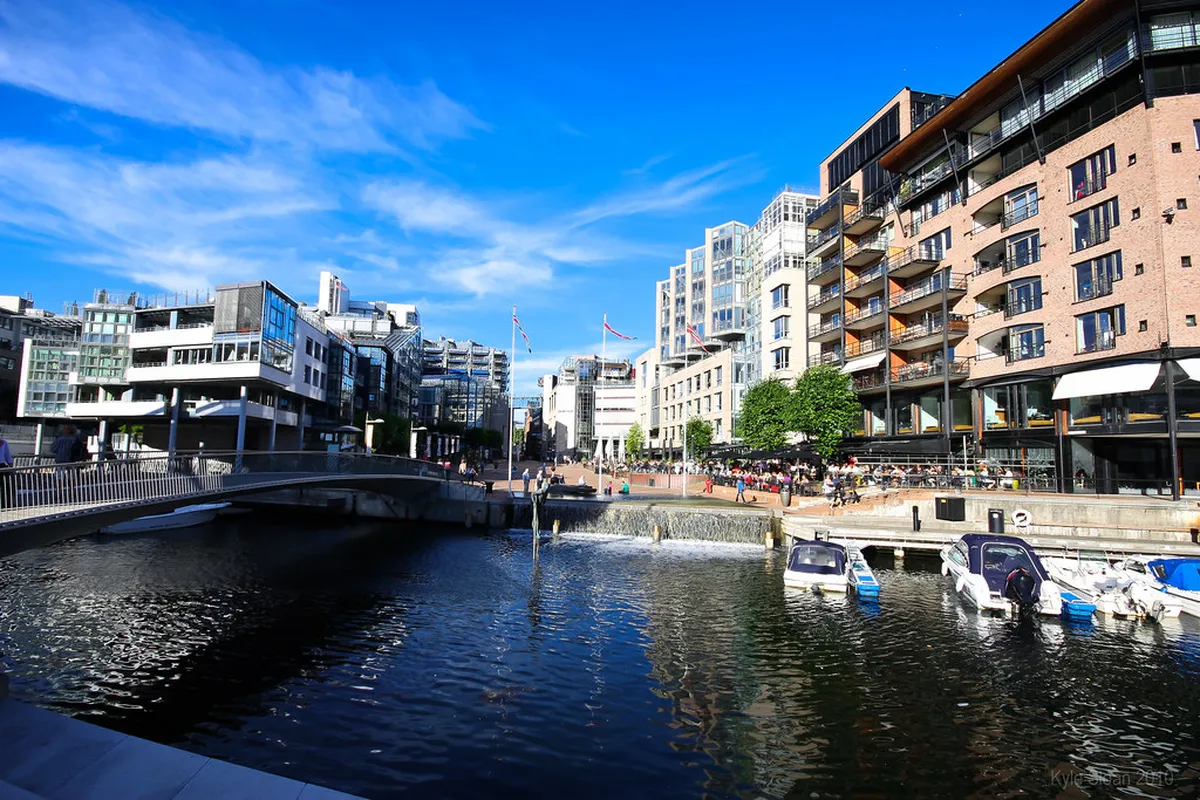
Grønlikaia is the newest part of the master plan. It sits just east of the main harbor center. This area blends homes with large public docks. It is becoming a favorite spot for locals.
You can find many innovative buildings here. Many are built using sustainable timber and wood. This creates a very warm and natural atmosphere. You should spend time exploring the Grønlikaia district while you visit.
The shoreline here is not just flat concrete. Designers created tiered steps that go into the water. You can sit and watch the ferries pass by. It is very peaceful even near the busy city.
Walking paths connect this area to the central docks. The route is flat and easy for everyone to walk. There are benches and small art pieces along the way. It is a perfect spot for a morning stroll.
Outdoor Life and Water Activities
Swimming in the harbor is a top local activity. The water is very clean and safe for everyone. You can find several designated spots for a dip. Check our guide on harbor swimming in Oslo for more tips.
Public saunas are a huge part of the waterfront life. Many of these structures float right on the fjord. They are very social and fun to visit. Experience the urban sauna scene for a true local vibe.
You can also rent kayaks near the main beach. Paddling offers a new view of the architecture. It is a great way to stay active during travel. Most rental shops provide all the gear you need.
In winter, the waterfront remains very busy. People still use the saunas to stay warm. The pathways are kept clear of snow for walkers. The city lights look beautiful on the dark water.
Sustainability and Urban Transport Changes
The waterfront is designed to be car-free. This creates a very quiet and safe environment. Most people arrive by bike or on foot. The air feels very fresh near the sea.
Electric ferries move people across the fjord quickly. These boats are very quiet and do not pollute. They link the city center to nearby islands easily. You can use the Ruter website for schedules.
New bike lanes are wide and very well marked. You can rent a bike for a small fee. Cycling from one end to the other is fun. It takes about thirty minutes to see everything.
Green energy powers many of the new harbor lights. The city uses smart sensors to save electricity. Sustainable design is visible in every small detail. This makes Oslo a leader in green travel.
Travel Tips for Visiting Recent Projects
🎯 Insider Tip: Discover the best Oslo experiences with Viator Tours!
Start your walk at the Oslo Opera House. You can walk on its white marble roof. This offers the best view of the whole development. It is free for everyone to enjoy daily.
Wear comfortable shoes for your harbor exploration. You will likely walk several kilometers during your visit. The fjord walking paths are very easy to follow. They have clear signs in several languages.
Pack a swimsuit even in the cooler months. The saunas are open all year for guests. You will see locals jumping into the cold water. It is a very refreshing experience to try.
Visit the Visit Oslo center for free maps. They can help you find the best lunch spots. Many small cafes line the new piers. They serve fresh fish and local coffee.
Frequently Asked Questions
💡 Pro Tip: Book your Oslo adventures in advance through Viator for the best deals!
Is the Oslo waterfront development 2026 free to visit?
Yes, most of the waterfront areas are completely free. You can walk, sit, and enjoy the views at no cost. You only pay for specific things like saunas, museums, or ferry rides. Many public parks offer great spots for a picnic.
What is the best way to get around the harbor?
Walking is the best way to see the details. You can also use the public bike sharing system. Electric ferries link the major piers to the city islands. Most paths are flat and easy for all fitness levels.
Where can I find the best views of the new harbor?
The roof of the Opera House is famous for views. The top floor of the Munch Museum also offers great sights. You can see the whole Barcode skyline from the Sørenga pier. These spots are perfect for sunset photos.
The Oslo waterfront development 2026 project is truly world-class. It combines modern architecture with a deep love for nature. Visitors can enjoy clean water and green parks right downtown. Use our sustainable travel guide to plan your eco-friendly trip today.
Official resources
Use these sources for official schedules, tickets, routes, and updates.
- Oslo Kommune — Municipal government portal; unverified source.
- Visit Norway — National tourism board; unverified source.
- Lonely Planet — Major editorial travel guide; unverified source.
- Avinor — National airport authority; unverified source.