
Ancient Ruins to Visit in Tavira Portugal: 2026 Guide
Discover the best ancient ruins to visit in Tavira Portugal. Explore Phoenician, Roman, and Moorish history in the Algarve. Plan your 2026 trip today!
On this page
Top Ancient Ruins to Visit in Tavira Portugal This Year
Tavira is a historic city located in the eastern Algarve region of beautiful Portugal. It features many Ancient ruins to visit in Tavira Portugal for curious history lovers. You can explore Phoenician ritual pits and Moorish castle walls during your 2026 trip. The city blends different cultures into a unique and very beautiful travel destination.
Ancient Ruins to Visit in Tavira Portugal
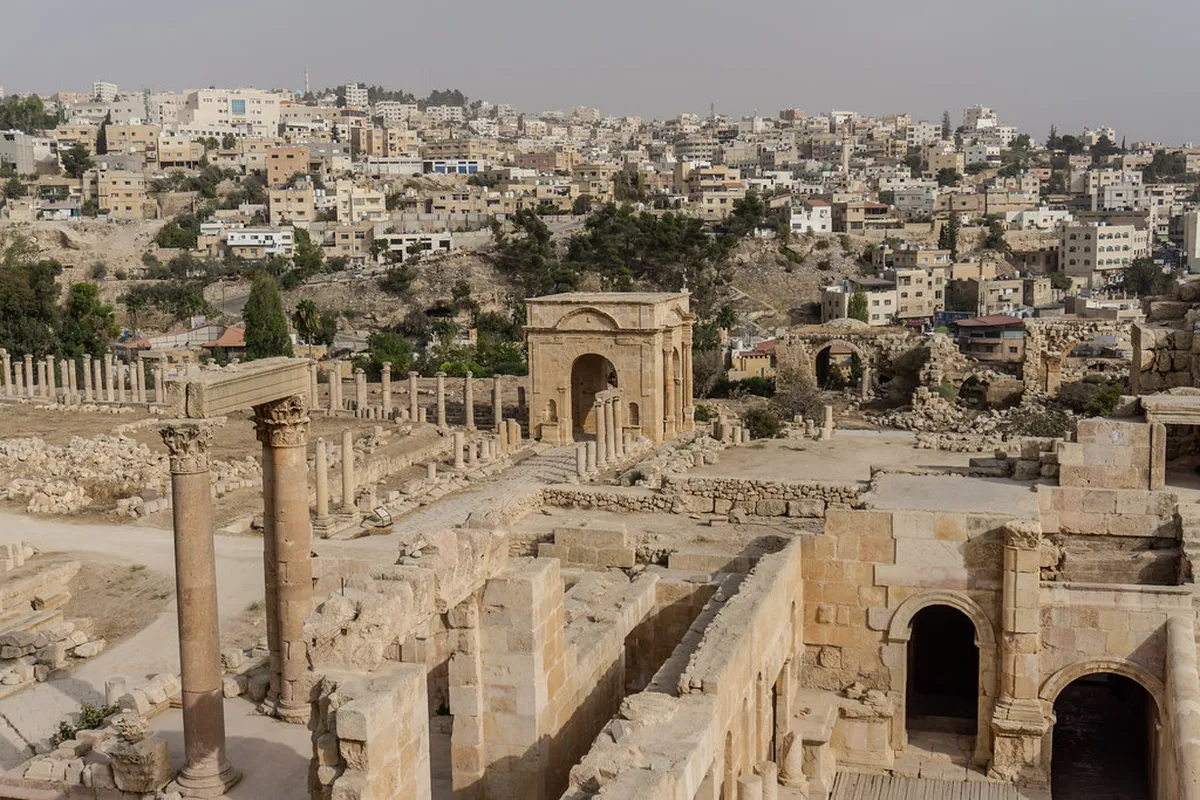
The Tavira Castle is the most famous historical landmark in the center of the city. These ruins date back to the Moorish era when the city was a major port. You should start your journey here to see the ancient stone walls and gardens. It is one of the best visiting the Tavira Castle in 2026 experiences available.
The castle offers spectacular views of the Gilão River and the surrounding white houses. You can walk along the high ramparts to see the entire layout of the old town. These walls protected the city from invaders for many centuries during the Middle Ages. Entry to the castle grounds is usually free for all visitors throughout the year.
The Almohad walls are another significant part of the ancient defensive system in Tavira. You can find sections of these walls hidden between modern buildings in the historic center. They represent the strength of the Islamic period that shaped much of the Algarve region. Seeing these stones helps you understand how the city grew over the last millennium.
In 2026, the local government has added new signs to explain the history of the walls. These signs provide details in English and Portuguese for all international travelers to read. You can spend an hour walking the perimeter to find every hidden gate and tower. This activity is perfect for those who enjoy slow travel and local history.
Phoenician Ritual Pits at Palácio da Galeria
The Palácio da Galeria sits on the highest point of the hill in Tavira. This building now serves as the municipal museum and houses very important archaeological finds. Underneath the structure, researchers discovered ancient Phoenician ritual pits from the 8th century BC. These pits prove that Tavira is one of the oldest settlements in the region.
You can view these excavations through glass floors inside the modern museum galleries today. The site shows how the Phoenicians used the area for religious ceremonies and daily trade. It is a rare chance to see ruins that are nearly three thousand years old. You should check the new museum exhibits in Tavira for the latest updates.
The museum also displays pottery and tools found during the various excavations around the city. These items tell the story of the merchants who sailed to the Algarve from the Mediterranean. You will learn about the early trade routes that connected Tavira to the ancient world. The exhibit is well-designed and easy to follow for visitors of all ages.
Tickets for the Palácio da Galeria cost around 3 Euros per person in 2026. The museum is open from Tuesday to Saturday during regular business hours each week. You should allow at least two hours to see all the historical layers inside. It is a quiet place to escape the afternoon sun while learning about history.
The Roman City of Balsa and Local Ruins
🌟 Local Expert Tip: Get the most out of your Lisbon visit with guided tours!
The Roman city of Balsa was once a thriving trade hub near modern-day Tavira. It was famous for producing fish sauce and purple dye for the Roman Empire. Today, the site is located just a few kilometers west of the city center. You can see the remains of villas and industrial tanks in the fields.
The history of the Roman bridge in Tavira also links back to this era. While the bridge was rebuilt later, its foundations remain connected to the ancient Roman road. This bridge is the most iconic symbol of the city for many visiting tourists. It remains a functional walkway for pedestrians crossing the river every single day.
Ongoing excavations at Balsa continue to reveal new mosaics and complex water systems today. Archaeologists believe the city was much larger than previously thought by many local experts. You can visit the site with a guided tour to learn about the findings. These tours often start from the main tourism office in the town square.
The artifacts from Balsa are often moved to the local museums for better preservation. You can see intricate jewelry and coins that were used by the Roman citizens here. This connection to Rome adds another fascinating layer to the heritage of the Algarve. It is a must-visit for anyone interested in the classical world's history.
Islamic Foundations and Renovated Historical Sites
Tavira has a very strong Islamic heritage that is visible in its street layout. The narrow streets of the old town follow the original Moorish urban planning style. You can visit the Islamic Museum to see a famous 11th-century ceramic vase. This vase is a masterpiece of art from the period of Muslim rule.
Many renovated historical sites in Tavira have preserved their original Islamic features for visitors. Architects have worked hard to keep the ancient wells and courtyards inside modern houses. You can stay in boutique hotels that feature these beautiful and historic architectural elements. This allows you to live inside history during your stay in the Algarve.
The city walls also contain the remains of an ancient mosque under a church. This layering of religious buildings is common throughout the history of southern Portugal. You can see how the Christian reconquest changed the city's skyline over the centuries. It is a visual lesson in how different cultures can inhabit one space.
Walking through the Porta da Alagoa gate feels like stepping back into the medieval past. This stone entrance is one of the best-preserved parts of the old city defenses. You can still see the marks of the masons who built the gate long ago. It is a perfect spot for photography during the golden hour in Tavira.
Practical Tips for Your Historical Tour
The best time to visit the ruins is during the spring or fall months. The weather is mild and perfect for walking around the outdoor archaeological sites. You should wear comfortable shoes because many streets are made of traditional Portuguese cobblestones. Bring a hat and plenty of water if you visit during the summer.
Most historical sites in Tavira are located within easy walking distance of each other. You do not need a car to explore the main ruins in the center. You can find more information about the region on the Visit Algarve website. They provide maps and event schedules for all the major towns in the area.
If you want to travel further, the national tourism board at Visit Portugal has great resources. They offer guides on the best historical routes across the entire country for 2026. You can combine your trip to Tavira with visits to other nearby ancient cities. This makes for a very rich and rewarding travel experience in the south.
Local guided tours are available for those who want a deeper understanding of the ruins. These guides often share stories that you cannot find in the standard guidebooks. Prices for a walking tour usually range from 15 to 25 Euros per person. It is a great way to support the local community and learn more.
Frequently Asked Questions
What are the most famous ancient ruins to visit in Tavira Portugal?
The Tavira Castle and the Phoenician ritual pits are the most famous ruins. You can also see the ancient Almohad walls and the foundations of the Roman bridge. These sites are all located within the historic city center for easy access.
Are the ancient ruins in Tavira free to visit?
The Tavira Castle and the city walls are free to visit for everyone. However, the Phoenician ritual pits are located inside the Palácio da Galeria museum. This museum requires a small entry fee of approximately 3 Euros for adult visitors.
Can I see Roman ruins near Tavira?
Yes, you can visit the ruins of the Roman city of Balsa nearby. It is located just a short distance from the center of Tavira. Many artifacts from Balsa are also on display in the municipal museums within the city.
Tavira offers a wonderful journey through time with its many ancient sites and ruins. You can explore Phoenician, Roman, and Moorish history all in one beautiful city. Plan your visit in 2026 to see the latest museum exhibits and preserved walls. Start your adventure today by booking a local tour of this historic Algarve gem.
Official resources
Use these sources for official schedules, tickets, routes, and updates.
- UNESCO Intangible Heritage — UNESCO listing for Mediterranean Diet (Tavira is a representative community). (unverified)
- Lonely Planet — Major editorial travel guide. (unverified)
- Comboios de Portugal — National rail service. (unverified)
- ANA Aeroportos de Portugal — National airport authority (Faro Airport). (unverified)